
On DIY


I went to the Wild Birds Unlimited store the other day to get some hot pepper coated birdseed to try to discourage the squirrels from raiding my feeders. If you don’t know, spicy hot birdseed is VERY expensive. For the record, birds lack the protein receptor to detect and feel the heat from capsaicin. Squirrels feel the burn and avoid it. I’m trying to be a little more zen about the squirrels. It feels a little low to leave out large quantities of food they can’t resist, then shoot them because they had the gall to come eat. Feels like bad karma, and this time around I’ve managed to keep the peace.
Their numbers have been creeping up lately. They waste a lot of feed and chase off my birds.
For me personally buying this expensive feed won’t be sustainable, which got me wondering- can’t I just buy a big jug of cayenne powder at Costco and treat all my seed myself? Then I started thinking about the logistics- I’ll need a clean 5 gallon bucket to mix it in. Latex gloves. A face mask is probably advisable. God forbid I touch my eyes or other sensitive parts with contaminated hands. With this you must weigh risk/reward in addition to cost/benefit- the risk of burning eyes to save significant dollars, and the reward of seeing squirrels flee my feeders in ignominy. At the cost of buying hot bird feed I’m going to risk it.
I have never been a hardcore DIY guy. I blame my background in construction. After a hard day at work (and years of 50-60 hour weeks) there’s nothing I want less than more construction work at home. I find most of the people who live for home projects have desk jobs. I certainly have the skills to do a LOT more home improvement. Recent projects are a half-finished deck job that involved several skills- bricklaying, structural carpentry, plumbing, painting, steelwork. In a single week we managed to break the pull-chain switch on two of our ceiling fans. One switch I disassembled, installed a new chain, and jury rigged the switch back together. For the other I had to order a new switch and replace it. Both repairs completed without electrocuting myself or burning down the house. A couple weeks ago I replaced the pressure switch to our well pump, which combines both plumbing AND electrical. My actual trades were drywall and painting. I owned a painting business for over 12 years.
Most construction workers I know live in homes in various stages of completion. The only construction people I know who have fully completed homes are builders, and they are all weirdos, every single one.
If you’re from a construction family in a community of construction families you are going to do almost everything once. Your buddy gets a big roofing job and needs extra bodies when your work is slow, so you’re a roofer for a couple days. I had a slow winter and worked for some friends who owned an electrical business, pulling wire, hammering in boxes, and installing receptacles. I worked another winter for my brother’s electrical business in Arizona.
I started out at age 8 spotting nails and spudding floors for my dad, who finished drywall. I was a capable finisher by age 18 with some painting experience. At age 19 I moved to New York City where I started out washing windows on high rise buildings, but quickly moved on to structural concrete repair and commercial caulking. One weekend a friend called and asked if I could help him lay tile, which I then did several times. My drywall finishing experience made me good at grouting. Occasionally I got roped into a framing job, and in NYC this was often metal stud work. With the restoration company I worked for in New York I learned caulking, bricklaying, tuckpointing, pressure washing and acid washing.
When I started my own painting business in Michigan I got roped into the insurance restoration business and had accumulated enough skills and tools that I did some complete remodels start to finish except the plumbing and electric. I remodeled a water damaged basement from start to finish, from demolition and removal, steel studs, drywall, ceiling grid and tile installation, painting, rough and finish carpentry, hanging doors, installing cabinetry and the toilet. Best of all we got paid, the true test of good workmanship.
Much later as I was able to narrow my business down to just painting, I kept my business alive during a downturned economy by learning log cabin restoration, which required some understanding of chemistry. Get that wrong and you can chemically burn the logs, leaving a stain that doesn’t go away. This doesn’t go over well on a million dollar trophy house.
Like most poor kids in my community I grew up wrenching on my own vehicles. We were all expert mechanics by age 20, and if there was a repair I hadn’t done, I had a friend who knew how. We shared knowledge, tools, garages. We were aided by parents and grizzled old friends who liked to stand around, smoke, drink out of a Coke can topped off with whiskey, and give advice and encouragement, though very little hands on help. Hell, it was their garage, they earned it. It didn’t matter how long it took us to do the job because we could barely afford the parts and tools, much less have our car towed in to an actual mechanic’s shop.
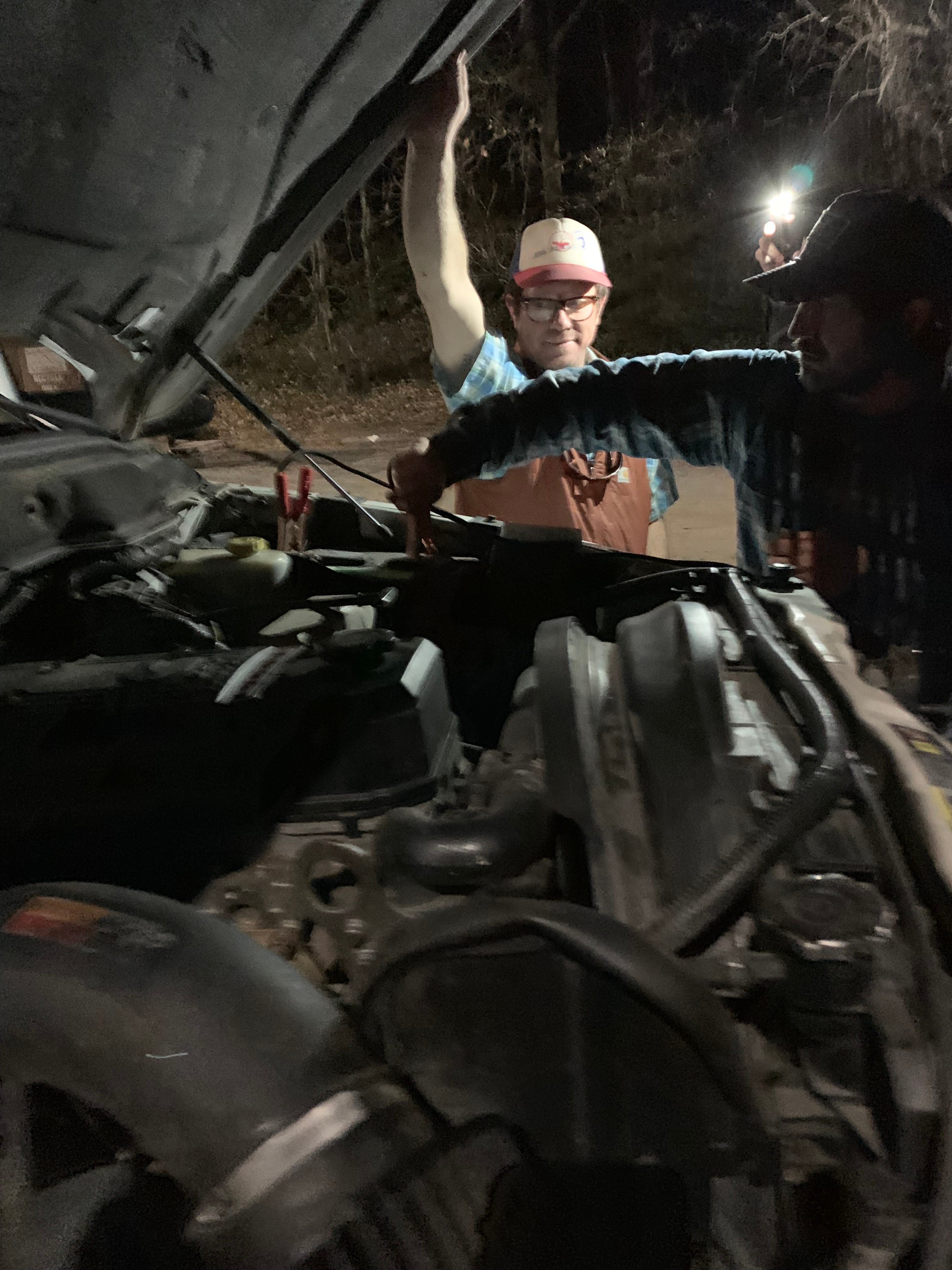
Once I hit my thirties I started doing the math. I was making enough money and busy enough with work I realized it was costing me more in lost work time to fix my own cars than to just take it in and get it fixed. That was the end of DIY car repairs for me. Some of my friends were bona fide gearheads, but I never really enjoyed it. Not enough to do it for fun.
Add to all this skill of varying levels, I was also an outdoorsman. This has DIY written all over it, it’s just a question of degree. Even if you buy all your gear at the store, you’re going to be out there building fires, setting up shelters, cooking over said fires, gutting, gilling, skinning, paddling, tying knots, digging latrines, performing first aid. For years my first aid kit was hockey tape and ibuprofen- anything you can’t fix with that requires a helicopter.
Being a lifelong outdoorsman means I have collected a motley bunch of friends more capable than myself, some who are dedicated DIYers. One has a commercial sewing machine with which he makes his own packs and alters his gear to his liking. Several are expert fly tyers. A couple friends, in the ultimate outdoor flex, called in and killed a turkey with a call they made, then tied a Hendrickson pattern out of the feathers with which they caught the trout they cooked for dinner that night alongside the turkey tenders.
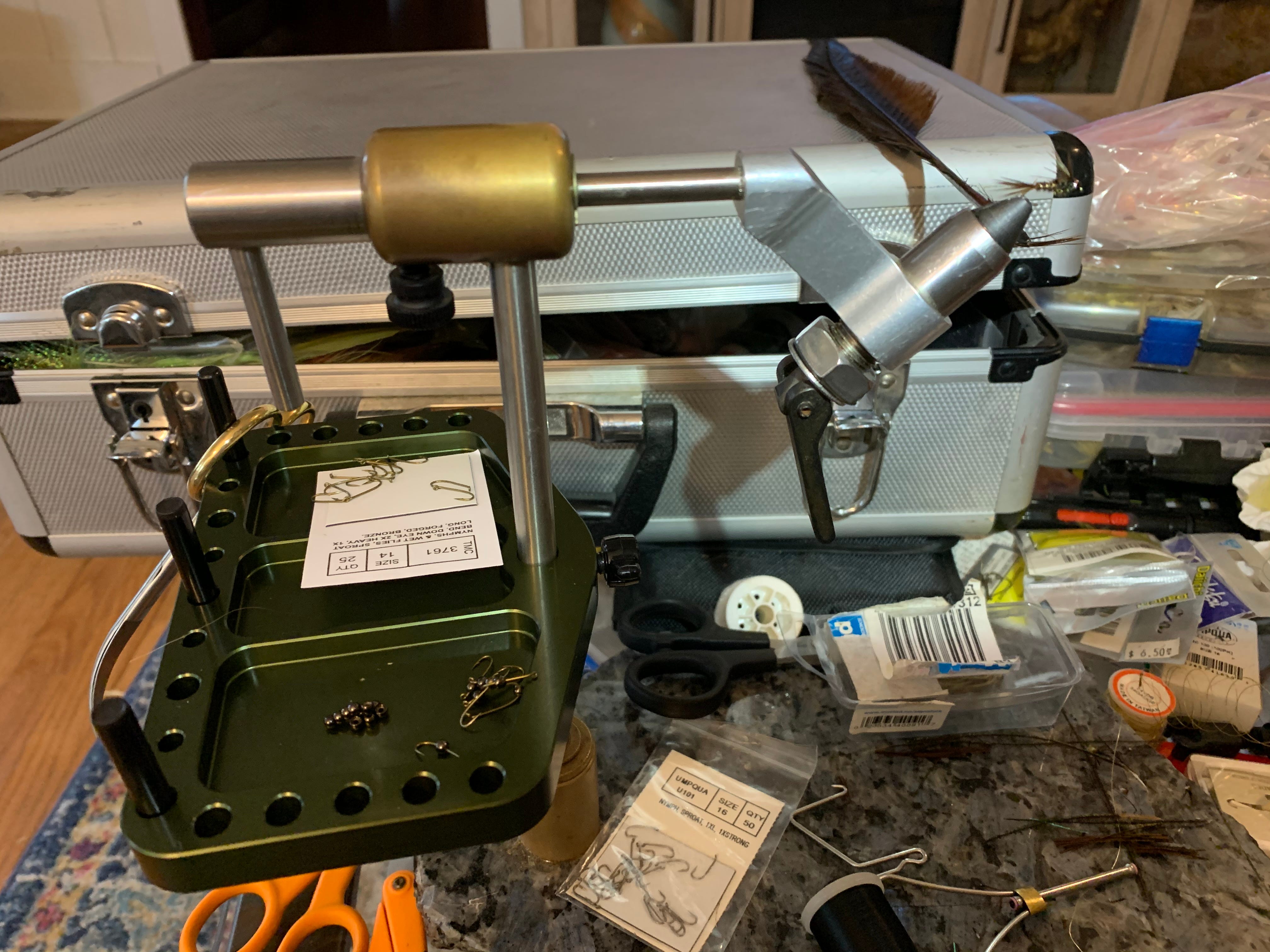
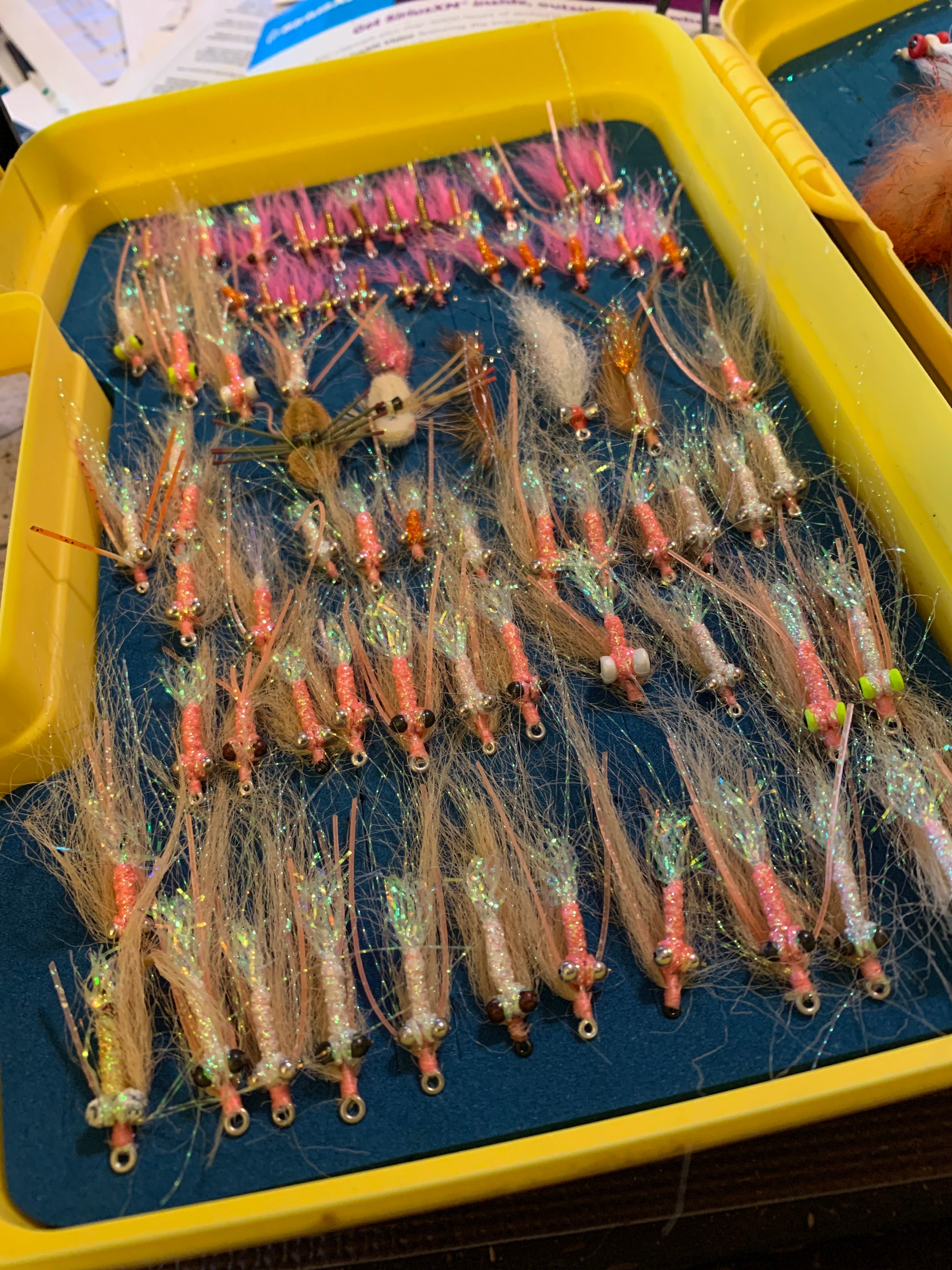
Fly tying is one of those DIY enterprises that really tests the cost/benefit equation. It is really easy to buy a $500 vise, $500 in tools, and $1200 in materials in order to tie $100 worth of flies. I tried to be smart and strategic about it- I bought a $200 vise, just enough tools, and only the materials I needed in the moment. I was primarily fishing for steelhead at the time, so I was tying a lot of egg flies, more than I could afford to buy, and yes, I actually saved money. This discipline broke down over time. I now have a couple thousand dollars in materials so I may have broken even at this point. I saved money tying my own eggs, streamers, bonefish patterns, wet flies, and giant muskie flies. Even in the dry fly heavy fishery of northern Michigan it was cheaper just to buy dry flies than buy all the capes, saddles and hooks for the patterns I needed. As mentioned, over the years I have stacked up a lot of materials, a couple $6 packets at a time, so I try to make sure I tie my own stuff whenever my materials and skill permits. In my experience you need to live in a fishy place and be fishing every week for DIY fly tying to pay off. It is, of course, a hobby unto itself, but most folks don’t fish enough for it to actually save them money.
I have had a bunch of DIY hobbies over the years- sourdough bread, home brewing beer, backyard chickens, gardening (huge DIY rabbit hole), cooking, foraging. I also know a lot of folks who do almost nothing themselves. They buy everything- clothes, food, repairs, entertainment. There are plenty of fly anglers who buy all their gear and flies and never fish without a guide. Who am I to judge? Most of them are far more successful than I am, at least financially. I know people that the only hands-on thing they do is golf. They shop, dine out, go to movies, go on cruises, and sign up for the activities. The outdoors is a foreign place they visit, never without a full water bottle and some granola bars, and never off trail.
I always felt sad for them.
I guess in the end I do the things I do, and DIY the things I do, because I like being skilled, feeling capable. I like home-cooked meals, eating out of my garden, and catching fish on flies I tied myself. I like butchering my own deer, while I plan out how I’ll cook each cut. I have friends who embark on insane projects I can’t personally justify in time, tools and skill acquisition. There’s other skills like sourdough bread that I dove into headfirst, achieved mediocrity, but enjoyed the journey, and the occasional loaf of bread still.

None of us have the time or skills to do everything ourselves, but all of us benefit from some DIY- working with our hands, gaining knowledge and skills, making useful things for ourselves, our friends and families, keeping ourselves off the streets, drugs or the bottle. There is a satisfaction found only in doing something yourself and doing a good job. It looks better, tastes better, feels better.
We live on a farm and I am buried in DIY projects- brush to clear, the deck to finish, painting to be done, get the garden ready for spring. I need to tie flies, go fishing, write stories.
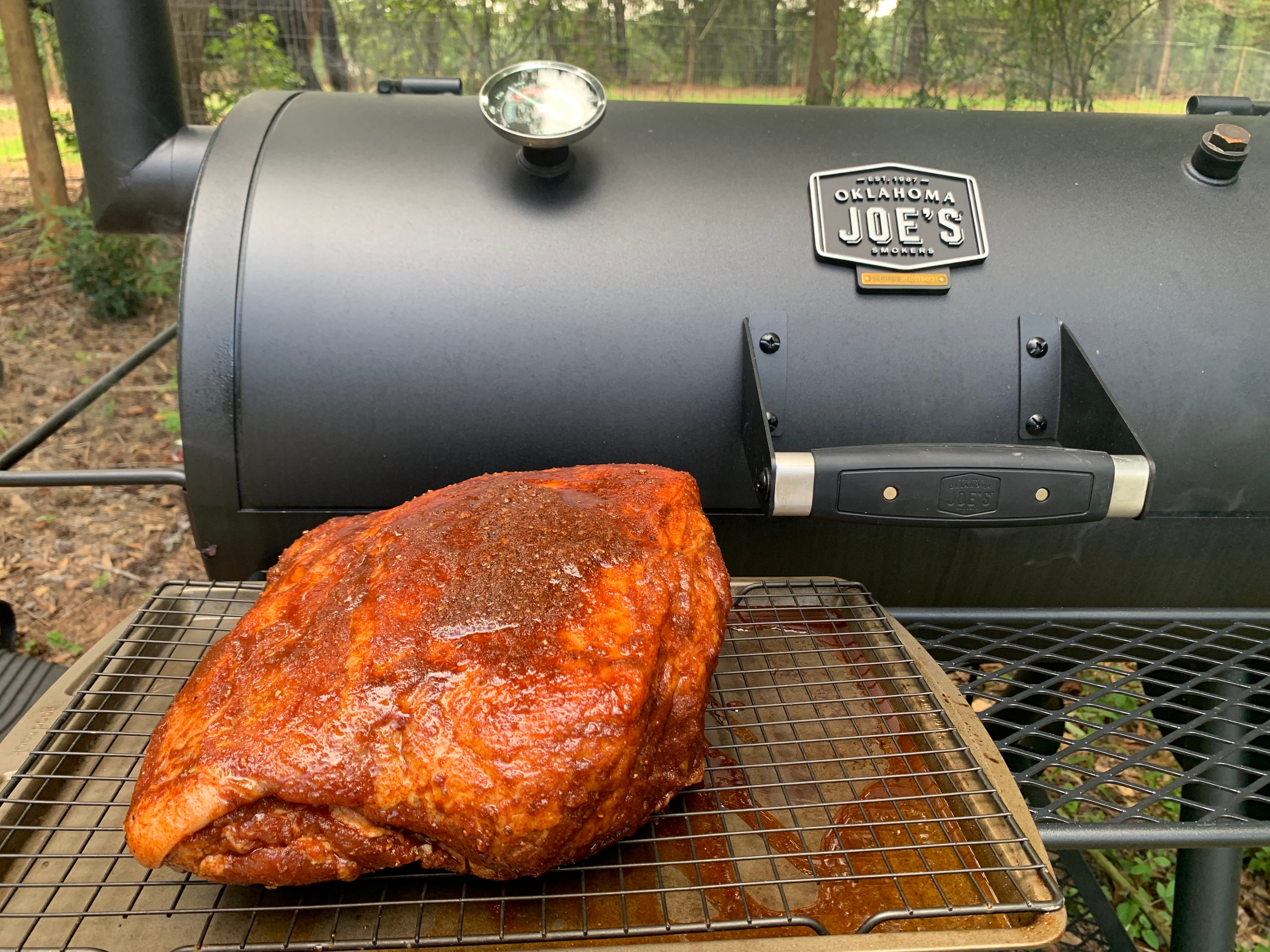
But right now there’s a dry rubbed pork shoulder that needs to go in the barbecue, so I better get to it.
I was able to buy a 16 oz. can of cayenne at my grocery store and it’s cutting down on the squirrels.
I tried both the store-bought cayenne sunflower seeds and made my own DIY--huge pain in the ass. Neither worked really well.
DIY fly tying has value beyond the cost/value ratio. Once you start catching fish on your own hand-ties, it's hard to be happy with buying them. I only wish I could get myself to enjoy tying in the winter. I just can't get that into it. I still make time in spring and summer.
It's important to figure out as you say what DIY avocations to put your time into and when to give it up and get a pro or amateur with skills.
Enjoyed this article.
never knew the hot seed trick.. my wife traps the squirrels and relocates to an open space where the golden eagles nest in the spring, owls and redtails hunt the rest of the year.. let them run the gauntlet, ha. A sort of bird feeding I guess.
used to tie all my flies, mostly for reasons of penury, now I have to buy the ones #20 and smaller since neither my eyes nor my hands can do that anymore. There are still numbers of patterns not commercially available in the US that I do tie - Invicta, Peter Ross, Mrs Simpson, and a few bigger dry and streamer patterns of my own.
DIY'd car repair for about ten years, could barely afford the car never mind maintenance. I used to buy retreads.. Eventually my wife and I were both working and I outsourced it happily. Wife stayed home with kids, on one salary and went back to DIY.. sort of enjoyed it, like tinkering, but now we have hybrids and I ain't messing with high voltage systems.
Come to think of it, most all of my home DIY (install and repair plumbing fixtures, rebuild shower, etc etc) was driven by money. I'd much rather pay someone who knows what they are doing, rather than slowly figure it out and maybe botch it a bit. But, there were always college and retirement funds clamoring for more money..